
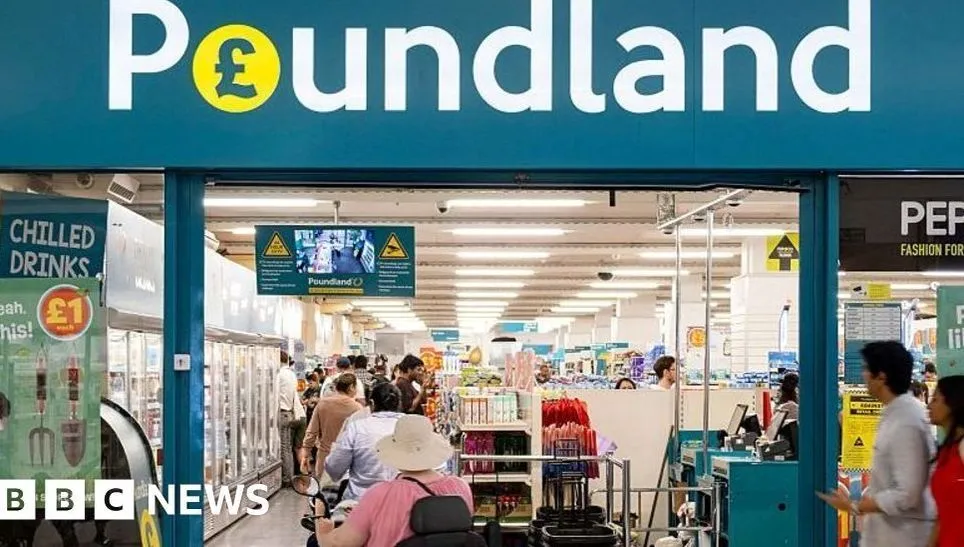
Poundland appears to have dodged an immediate collapse after its American owners signaled they are open to extending the deadline for a rescue deal. The discount giant, which employs roughly 11,000 people across 600 stores, had been spiraling toward administration due to a restrictive grip on its finances held by investment firm Gordon Brothers. While a critical midnight cutoff loomed, insiders suggest that recently released funding will buy the company precious extra time to secure a sustainable buyer.
The situation has sparked a political firestorm, with members of Parliament accusing Gordon Brothers of acting like wolves on Wall Street. During a tense hearing with the business and trade committee, lawmakers suggested the investment firm might be intentionally squeezing the retailer to profit from selling off assets piece by piece rather than saving the brand as a whole. At the center of the dispute is approximately 50 million pounds in frozen funds that left managers unable to properly stock shelves or cover essential costs just as the busy Christmas shopping season began.
Despite these tensions, there is evidence that the core business remains resilient. Chief executive Barry Williams reported that like for like sales have climbed significantly and noted an annual profit of over 18 million pounds, marking a sharp turnaround from previous losses. However, Gordon Brothers continues to maintain that the chain is fragile and vulnerable, arguing that splitting the estate among rivals such as Tesco or B&M might actually be the safest way to preserve some employee roles.
With three separate bids already on the table and another ten days granted following a fresh injection of nine million pounds into operating accounts, the focus now shifts back to the boardroom. For thousands of workers and shoppers relying on affordable goods during a cost of living crisis, the next fortnight represents a desperate race to find an owner willing to prioritize stability over short term liquidation profits.


Comments are closed.