

Archive

November 2026

Browsing

The world’s wealthiest individuals are quietly shifting their financial strategies, moving away from a historical reliance on stocks and bonds toward a diverse array of alternative investments. From global family offices to Asian billionaires, there is a growing appetite for hedge funds, private equity, and infrastructure projects. This trend is driven largely by an environment of stubborn inflation and geopolitical instability, leaving many high-net-worth investors feeling that traditional portfolios no longer offer sufficient protection against sudden market crashes.

Recent data highlights just how dramatic this pivot has become. In the Asia-Pacific region, JPMorgan Asset Management reported a staggering forty percent surge in alternative asset holdings over the last year. Some reports suggest that within single-family offices, these non-traditional assets now make up sixty percent of total portfolios, overtaking public markets for the first time. Investors are specifically drawn to hedge funds and private credit because they provide returns that aren’t strictly tied to whether the stock market is trending up or down, allowing them to preserve purchasing power even when volatility spikes.

Beyond financial instruments, physical infrastructure has become a primary target for the super-rich, fueled in large part by the artificial intelligence revolution. The massive need for data centers and upgraded electrical grids has created a gold mine for those seeking long-term growth paired with predictable cash flows. While private equity remains a staple, wealthy families are becoming more surgical in their approach, opting for direct company investments or buying existing fund stakes at a discount rather than simply dumping money into general pools.

However, experts warn that this migration isn’t without its perils. Unlike public stocks, these assets often lock up capital for years, meaning investors cannot easily exit their positions during a crisis. There is also the risk of hidden concentration; someone might believe they are diversified while actually being overexposed to the AI bubble across multiple different fund types. Despite these warnings, the trend appears firmly entrenched. Rather than selling off their shares in public companies, the wealthy are using fresh piles of cash to build a sophisticated safety net designed to weather an unpredictable economic future.
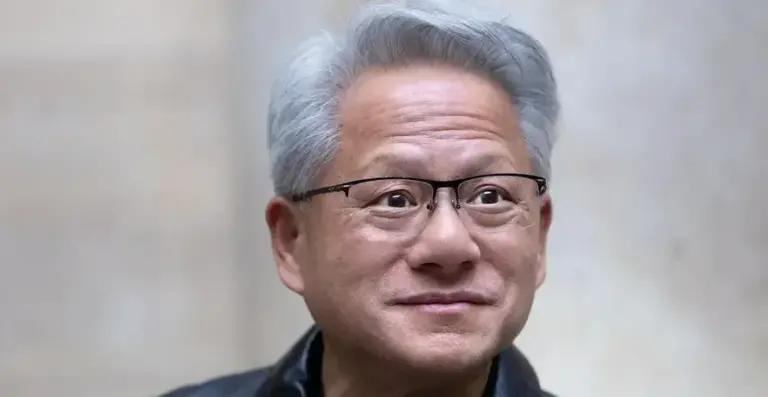
Investors sent Nvidia shares tumbling during after hours trading on Wednesday following reports that the company’s board of directors is moving to remove founder and CEO Jensen Huang. The stock dropped over eight percent to 159.51 dollars, adding to a staggering loss of more than 450 billion dollars in market value since an internal probe into Huang’s conduct began earlier this month. This latest instability comes after Huang admitted in a message to staff that he had engaged in an extramarital affair, expressing deep regret to his family.

The situation has escalated beyond a personal scandal due to troubling connections involving national security. U.S. intelligence agencies have reportedly linked Huang to Alice Huang, a former executive at Megaspeed International who is suspected of being an asset for China’s Ministry of State Security. Because Megaspeed has been one of Nvidia’s largest international clients, spending billions on AI hardware, the FBI is now investigating whether these romantic and business ties compromised sensitive interests. President Trump confirmed the federal probe this week, while members of Congress prepare to question how Nvidia’s cutting edge technology may have reached China via third parties.

Industry analysts warn that losing Huang would be a catastrophic blow because there is no clear successor capable of filling his role as the visionary leader of the AI revolution. As the man who anticipated the current boom long before the arrival of ChatGPT, Huang became synonymous with the company’s meteoric rise. Experts note that his alleged actions likely violated Nvidia’s own strict code of ethics regarding conflicts of interest and professional standards, leaving the board with little choice but to act despite the risk to the company’s stability.

Wall Street observers are now bracing for a period of extreme volatility as they speculate on who could possibly lead the world’s most influential chipmaker through such a storm. Some analysts describe the sudden collapse of Huang’s leadership as surreal, noting that while he may be irreplaceable from a strategic standpoint, the combination of ethical lapses and potential espionage concerns makes his continued tenure untenable. For now, shareholders remain anxious about how government investigations and a change in leadership will reshape Nvidia’s dominance in the global semiconductor market.