
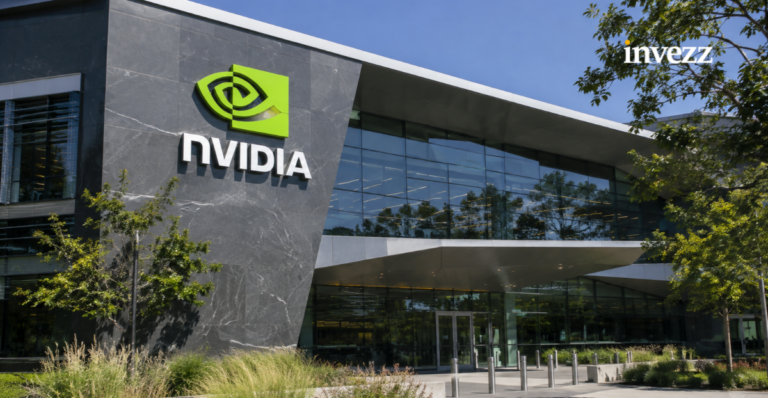
Nvidia shares NVDA rose 2.47% in after-hours trading on Tuesday after the chipmaker delivered a stronger-than-expected revenue forecast for its January quarter, signalling that demand for artificial intelligence hardware remains robust despite leadership uncertainty and concerns about industry spending.
The company forecast revenue of $130 billion for its fiscal fourth quarter, plus or minus 3%, compared with the $125.3 billion expected by analysts tracked by FactSet.
The outlook does not include any data-centre revenue from China.
The forecast followed another record quarter for Nvidia, with revenue and earnings both exceeding Wall Street expectations.
Investors had been closely watching the results amid the departure of longtime CEO Jensen Huang, who resigned last week following reports about his personal relationships.
Nvidia delivers stronger-than-expected revenue outlook
Nvidia expects revenue of approximately $130 billion in the quarter ending in January.
The forecast exceeded analyst expectations and suggests that demand for the company’s AI chips and computing systems remains strong.
The company also expects a gross margin of around 71.5% in the quarter.
The outlook was particularly important given speculation about whether Nvidia would provide a quarterly forecast amid the uncertainty surrounding its leadership.
Nvidia’s third-quarter revenue increased 103% year-over-year to $115.8 billion, surpassing the approximately $109 billion expected by analysts.
Net income reached $65.3 billion, while earnings per share came in at $2.68, above the FactSet consensus estimate of $2.48.
Demand for Nvidia’s AI hardware remained strong during the quarter as the company began shipments of its latest Vera Rubin systems.
The results provide further evidence of continued investment in AI infrastructure, although concerns remain about whether spending across the industry can maintain its current pace.
Nvidia returns record $28.1 billion to shareholders
Nvidia returned $28.1 billion to shareholders during the quarter ended October 25 through share repurchases and dividends.
The figure exceeded the previous quarterly record of $26 billion, set in the preceding quarter.
Share buybacks accounted for $22.1 billion of the latest shareholder returns.
Nvidia has now spent $62 billion on repurchases during the first three quarters of its fiscal year, significantly more than the $40.4 billion spent during the previous fiscal year.
The company still has $227.3 billion available under its existing share repurchase programme.
The scale of the buybacks highlights Nvidia’s ability to return substantial capital to shareholders while continuing to invest in its AI hardware business.
Leadership uncertainty remains after Huang’s departure
Nvidia’s strong results came during a period of significant leadership uncertainty.
Huang resigned last Thursday following reports of multiple extramarital relationships, including one involving a company employee and another involving a woman suspected by US officials of having links to Chinese intelligence.
Former CFO Colette Kress is serving as interim CEO while Nvidia looks for a permanent replacement.
The company has also elevated board member Harvey Jones to chairman, marking the first time Nvidia has had someone in that role.
Earlier on Tuesday, Huang said he would be willing to return if the board decided that his reinstatement would be in the company’s best interests.
However, a person familiar with the board’s thinking told Wall Street Journal that it was not considering bringing him back.
Nvidia’s board has also formed a committee to oversee national security policies and compliance with US export controls.
Huang and General Counsel Tim Teter have agreed to brief three House committees in early December as lawmakers seek answers about the company’s exports to Asia.
AI disclosure: AI tools assisted with research and drafting of this piece. An Invezz editor reviewed the facts, sources and wording before publication. Any opinions or analysis are Invezz’s, not those of an automated system.
The post Nvidia stock rises after hours as revenue forecast beats estimates appeared first on Invezz