Anthropic’s Class A shares, ticker ANT, closed at $97.17 on their first day on the Nasdaq Global Select Market on 19 November 2026.
That is about 17% above the $83.00 IPO price set a day earlier, and about 13% below the $111.50 opening print.
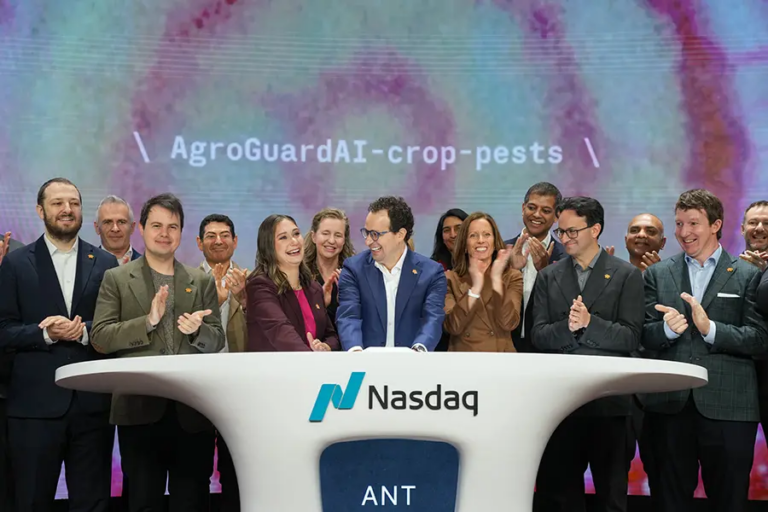
The day began in Times Square, where co-founders Dario and Daniela Amodei rang the Nasdaq opening bell at 9:30am ET. The ceremony itself did not start trading in ANT. The first trade came later, at 16:50 GMT (11:50am ET), when the shares opened at $111.50, about 34% above the offering price.
Indications had been climbing through the morning, from about $99.60 to $105, then $110 and $111, before the stock opened slightly above that last level. The early burst did not last.
ANT peaked at $115.10 just before noon ET and slipped as low as $92.72.
By mid-afternoon the shares were changing hands around $95.60, still about 15% above the IPO price. The $97.17 close left the debut comfortably above the offering, but well short of the opening pop.
Even so, a 17% first-day gain on the largest IPO on record is a strong debut, the more so on a session in which the main US indexes finished more than 2% lower. The market took some of the opening froth off, but buyers who received stock at $83 still ended the day well in the money.
More than 846 million shares changed hands, ahead of the 522 million traded on SpaceX’s opening day in June, and enough to make ANT the most actively traded name on the Nasdaq. Volume had already passed 640 million by mid-session.
At the $111.50 open, Reuters put Anthropic’s market value at about $2 trillion, a level exceeded by only a handful of US-listed firms, and ahead of the $1.96 trillion it assigned to SpaceX at its June opening trade. That is a reported valuation at the open, not a closing figure.
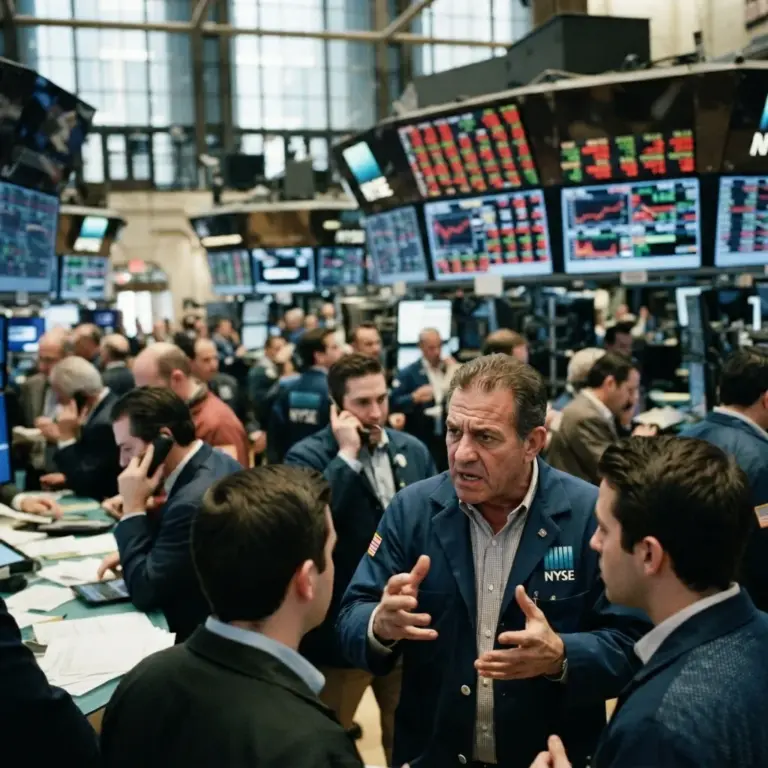
The fade came as the wider market turned lower. US stocks ended more than 2% down. The Dow Jones Industrial Average lost 1,101.11 points, or 2.19%, to 49,097.06, the S&P 500 fell 2.02% to 7,175.83, and the Nasdaq Composite dropped 2.25% to 23,879.20.
AI shares were mixed as investors weighed worries about higher interest rates. The Nasdaq itself had been up as much as 2% after the open before those gains were given back.
The listing is the first by a frontier AI lab and sets a public-market benchmark for the group, with OpenAI still private. Ordinary investors now have a listed way to take a direct view on a stand-alone model developer, rather than only through the chipmakers and cloud groups that have dominated the trade.
Anthropic sold 980 million Class A shares at $83.00 on Wednesday, of which 956,351,354 were sold by the company and 23,648,646 by selling stockholders. The deal raised about $81.3 billion, making it the largest initial public offering on record, above SpaceX’s initial $75 billion.
The size and price had already been lifted once before the open. Last week the company had marketed 825 million shares at $70 to $78; on Wednesday it sold more stock, and at a higher price, than that range implied. SpaceX later reached $85.7 billion after its overallotment was exercised.
Anthropic’s underwriters have the option to buy up to a further 147 million Class A shares, which would bring in another $12.2 billion and take the IPO total to $93.5 billion if exercised. They have until 20 November to take up that option. The offering itself is expected to close on 20 November, subject to customary conditions.
The banks on the deal are due about $550 million in underwriting fees, according to the company’s filing, more than the roughly $500 million paid on the SpaceX IPO.
The company priced the offering above its marketed range and increased the number of shares being sold, initially valuing the Claude developer at $1.5 trillion. Investors who received an allocation pay the $83 offering price. Anyone buying once the shares are listed pays the market price, which closed at $97.17.
Demand was unusually lopsided. Retail interest in the IPO was the largest in history. Anthropic prioritized institutional investors it already knew, and roughly half of the firms that placed orders were left empty-handed, a higher share than usual.
Retail allocation came in at around 15%, below the roughly 20% the company had targeted, though still above the 5% to 10% typical in most IPOs.
Analysts who opened coverage stayed above the close. Melius started at Buy with a $155 price target; Ben Reitzes, the firm’s head of technology research, said that assigned value could even be “conservative”. Needham’s Scott Berg has a Buy rating and a $150 target. The average target across five Buy ratings was about $116.
Wolfe Research, in a Thursday note, said cybersecurity could match Anthropic’s coding opportunity and reach $500 billion annually.
The company has given a sense of the scale behind that interest. In its prospectus, Anthropic said it generated $33.24 billion of revenue in the nine months to 30 September, up about 1,200% from the same period a year earlier, and that its run-rate revenue was about $81 billion by the end of October.
What comes next is tightly timetabled. Index funds will not add the stock immediately. The Morningstar US Total Market Index will include it after five trading days, the Nasdaq-100 after 18 December, and the S&P 500 will not add it for at least a year.
About 15.5 billion insider shares are subject to lock-up agreements that run until after Anthropic reports results in the third quarter of next year. No date has been set for the first earnings report.
The official terms of the offering are in our report on Anthropic’s official IPO pricing. The first print is covered in our report on how ANT opened.
The wider timetable is on our Anthropic IPO date, valuation and ticker hub. For access and why the open-market price is not $83, see how to buy Anthropic stock.
AI disclosure: AI tools assisted with research and drafting of this piece. An Invezz editor reviewed the facts, sources and wording before publication. Any opinions or analysis are Invezz’s, not those of an automated system.
The post Anthropic's ANT closes at $97.17, up 17% on its first day of trading appeared first on Invezz